
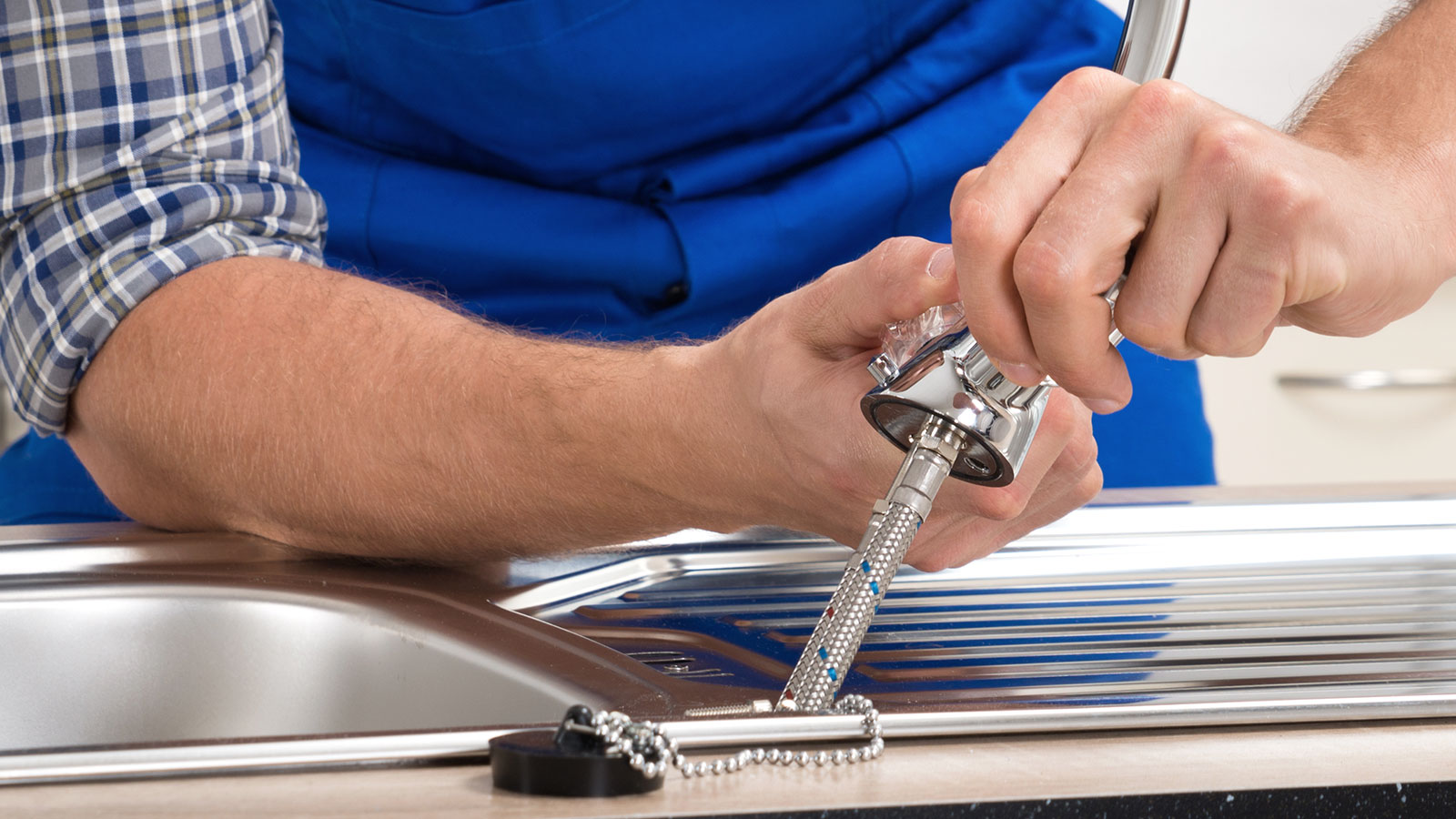
Installing Traditional Kitchen Sink faucets is not just about connecting pipes and tightening fittings. These taps often come with unique designs, separate handles, and classic finishes that require a careful and precise approach.
Whether you’re upgrading your kitchen taps Ireland setup or replacing old kitchen sink taps Ireland, correct installation ensures long-term durability, smooth water flow, and leak-free performance. A poorly installed tap, even a high-quality one, can quickly turn into a recurring problem.
Why Traditional Kitchen Sink Faucets Need Special Attention
Unlike modern kitchen mixer taps, traditional taps usually have separate hot and cold handles. This means more connections, more alignment work, and a greater chance of installation errors if not handled properly. They are also often chosen for their aesthetic appeal, especially in classic or farmhouse-style kitchens. From antique brass finishes to detailed crosshead handles, these taps require careful handling to avoid scratches or damage during installation. Because of their design, even a slight misalignment can affect usability or create uneven water flow.

Preparing for Classic Kitchen Tap Installation
Before starting the installation, preparation is key. Begin by turning off the water supply completely to avoid leaks or flooding. Then, remove the old tap carefully, ensuring the surrounding sink area remains intact. Check the sink’s tap hole configuration. Traditional taps may require specific spacing, especially for bridge-style or dual-handle designs. This step is often overlooked but is critical for a proper fit. Gather all necessary tools, including adjustable spanners, sealing tape, and washers. Having everything ready helps avoid interruptions during the process.
Step-by-Step Process to Install Traditional Kitchen Sink Faucets
Start by positioning the tap correctly on the sink. Ensure it sits evenly and aligns with the tap holes. Once placed, secure it from underneath using fixing nuts, tightening them gradually to avoid uneven pressure. Next, connect the hot and cold water supply pipes. It’s important to match the correct connections to avoid reversed flow. Use sealing tape to ensure a watertight connection.
After connecting everything, turn the water supply back on slowly. Check for leaks around the base and connections. If everything is secure, test the tap by running both hot and cold water to ensure smooth operation.
Common Mistakes
One of the most common errors is overtightening fittings. While it may seem like a good way to prevent leaks, it can damage threads or crack components. Another issue is ignoring alignment. A slightly tilted tap not only looks unprofessional but can also affect functionality over time.
Many homeowners also skip checking water pressure compatibility. Some taps and faucets perform differently depending on pressure levels, so it’s important to ensure compatibility before installation.
Benefits of Proper Installation for Traditional Kitchen Taps
When installed correctly, traditional taps offer both style and performance. They provide precise water control and enhance the overall look of your kitchen. Proper installation also reduces maintenance needs. You’re less likely to experience leaks, loose fittings, or uneven flow, which saves time and repair costs in the long run. Additionally, well-installed taps protect your sink and surrounding surfaces from water damage.
Expert Tips
If you’re planning to buy kitchen taps Ireland, always check the specifications before installation. Knowing the required pressure and fitting type helps avoid compatibility issues. Regular maintenance is equally important. Clean the tap gently to preserve its finish, especially if it’s brass or copper. If you’re unsure about any step, consider hiring a professional offering tap fitting service Ireland. This ensures your tap is installed the first time correctly.
When Should You Call a Professional Instead?
While DIY installation is possible, certain situations require expert help. Complex setups, old plumbing systems, or premium taps with delicate finishes are best handled by professionals. Searching for tap installation near me or arranging tap installation in Dublin can save you from costly mistakes and ensure a flawless result.

Final Thoughts
Installing Traditional Kitchen Sink faucets correctly is essential for both performance and appearance. These taps bring timeless charm to your kitchen, but only when fitted with care and precision. If you want reliable results, take the time to prepare properly or consider Classic Kitchen Tap Installation Ireland services. A well-installed tap doesn’t just function better—it enhances your entire kitchen experience for years to come.
For more updates and details, visit our Facebook Page!
FAQs
1. Can I install traditional kitchen taps myself?
Yes, but it requires basic plumbing knowledge and the right tools to avoid leaks or damage.
2. How long does installation take?
Typically, it takes one to two hours, depending on the complexity of the setup.
3. Are traditional taps harder to install than modern ones?
Yes, because they often involve separate connections and precise alignment.
4. What tools are needed for installation?
You’ll need spanners, sealing tape, washers, and possibly a basin wrench.
5. How do I prevent leaks after installation?
Ensure all connections are properly sealed and avoid overtightening fittings.